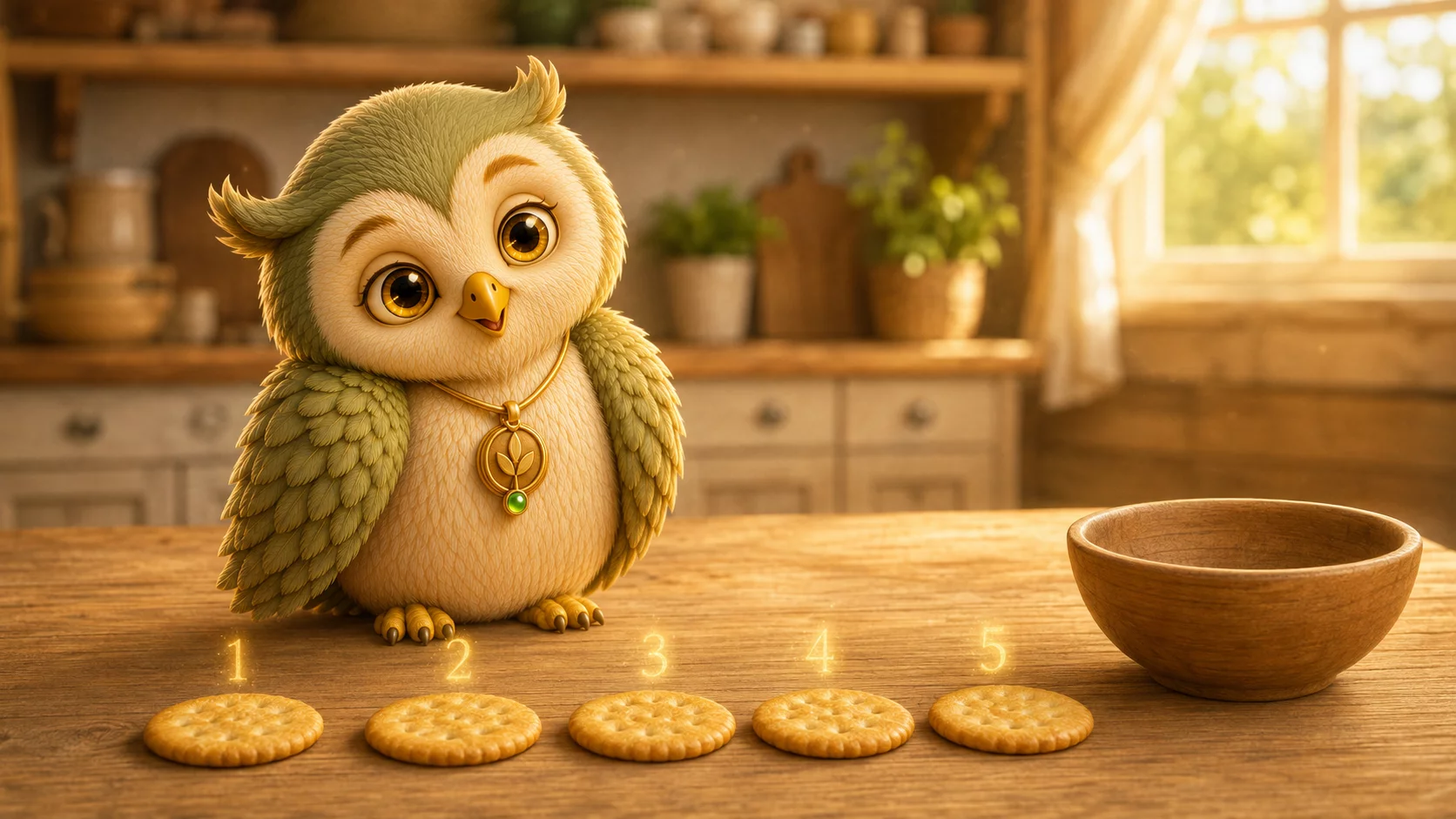
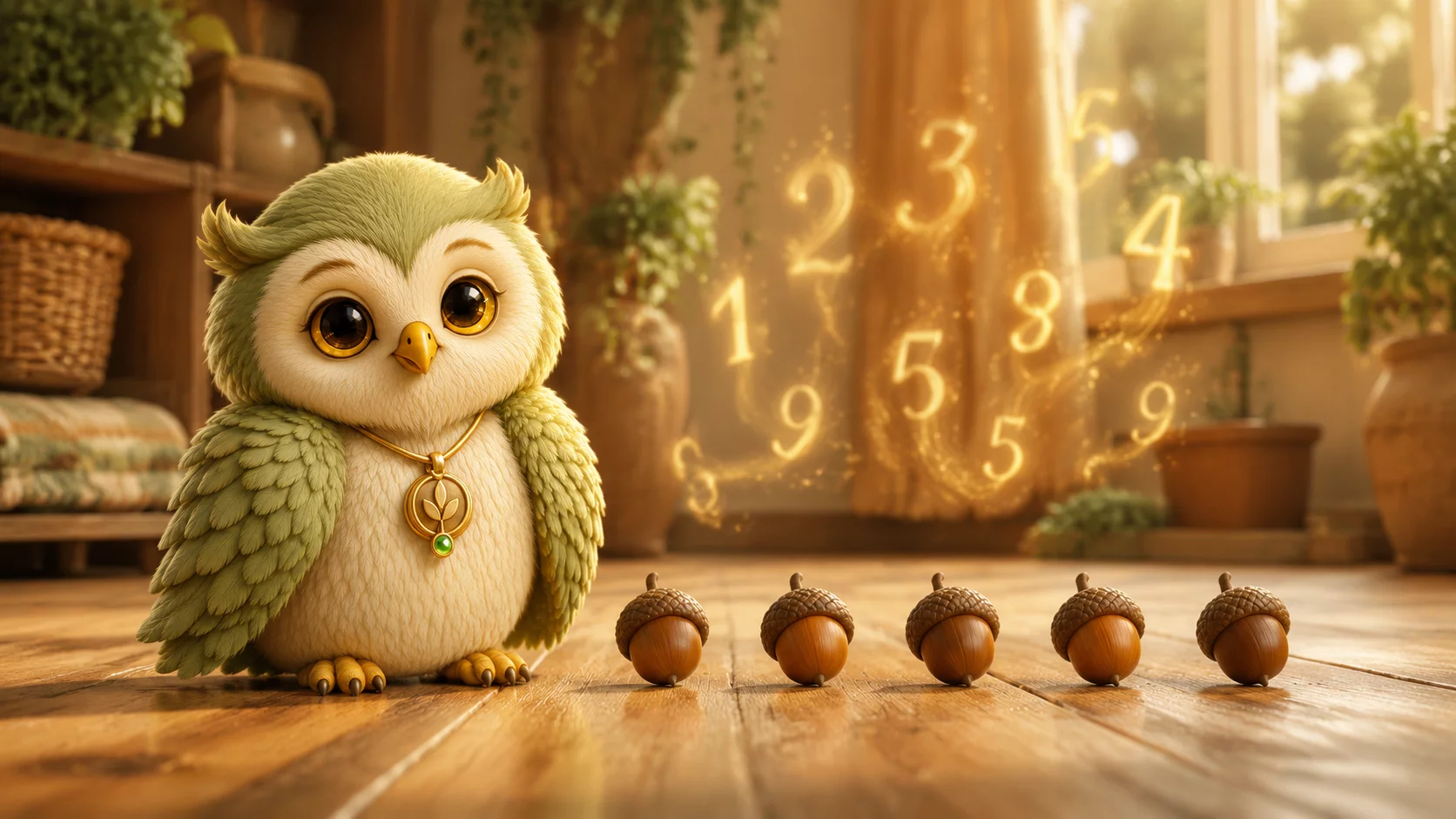
Short answer: this is common, and it’s two different skills. Saying the numbers in order is a memorized list, like the alphabet. Counting five crackers means matching one word to one cracker and knowing that the last word tells you how many. Most kids get the list first, often by a lot. So the gap … Read more
You don’t have to pick. At 3 and 4, math takes about ten minutes a day, and most of it happens while you’re already doing something else. What trips parents up is the picture of “math” they carry around: numerals, flashcards, a workbook. At this age, math is noticing. Which cup has more. What comes … Read more
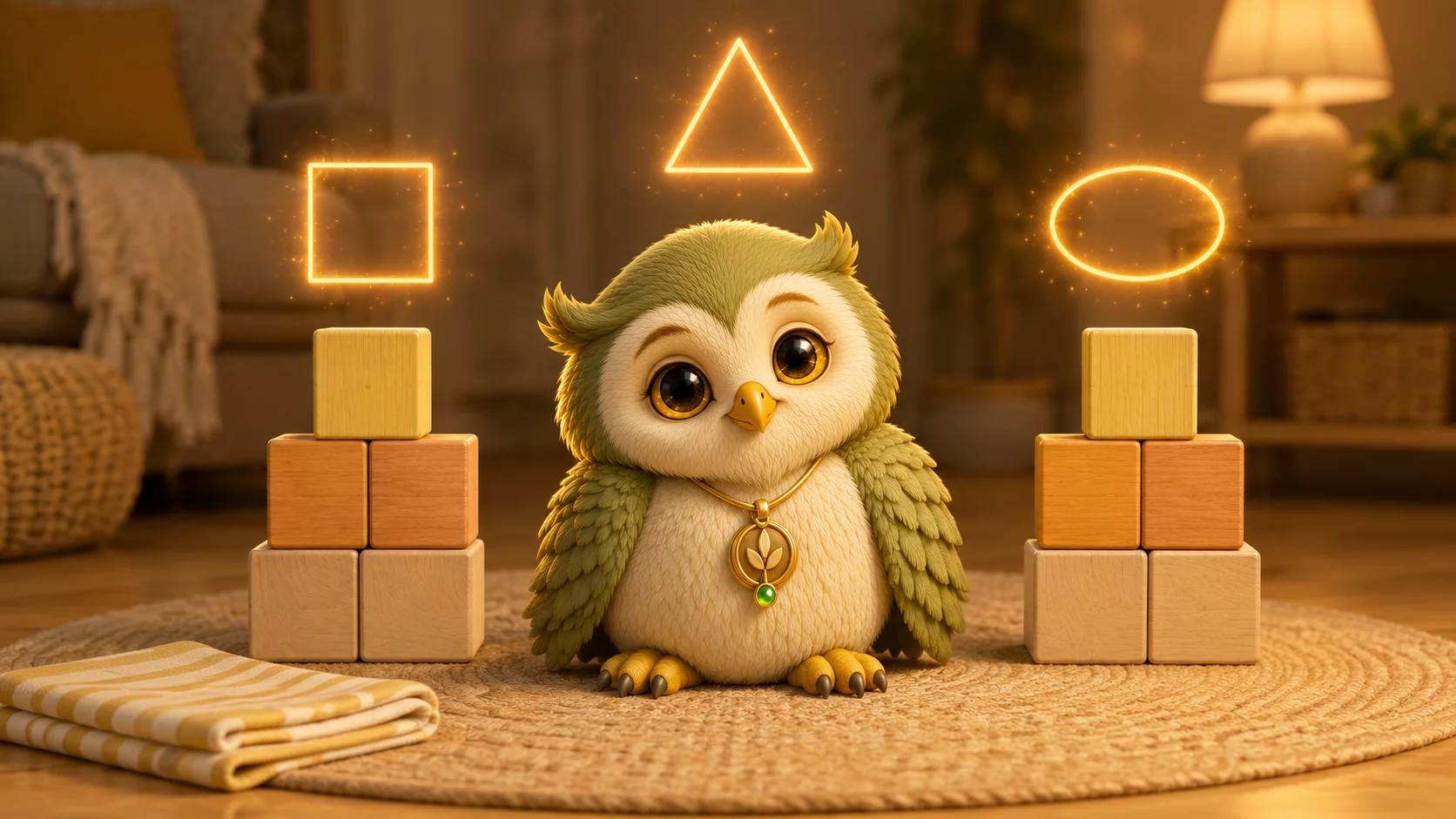
If your child heads for the blocks every time you get out something number-shaped, you don’t have a problem. Building, copying, matching and turning things are math too, and they’re the part most of us skip because it doesn’t look like math. Here’s a five-minute version you can do with blocks you already own. What … Read more
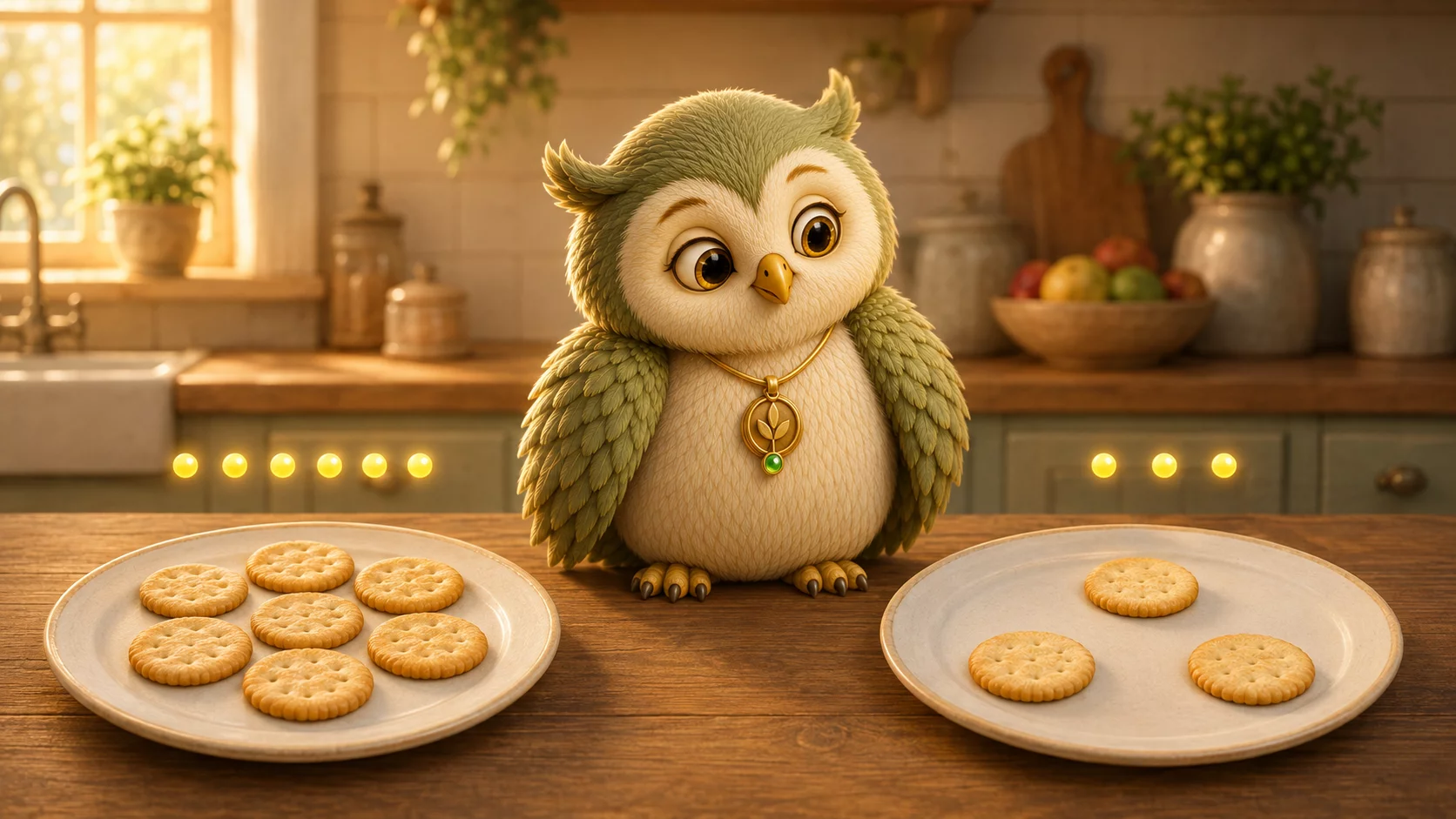
If your child can’t count reliably yet, you don’t have to wait to do math with them. Put a handful of something on two plates and ask which one has more. That question is math, and most kids can answer it before they can count to ten. Here’s how to run it, and what to … Read more
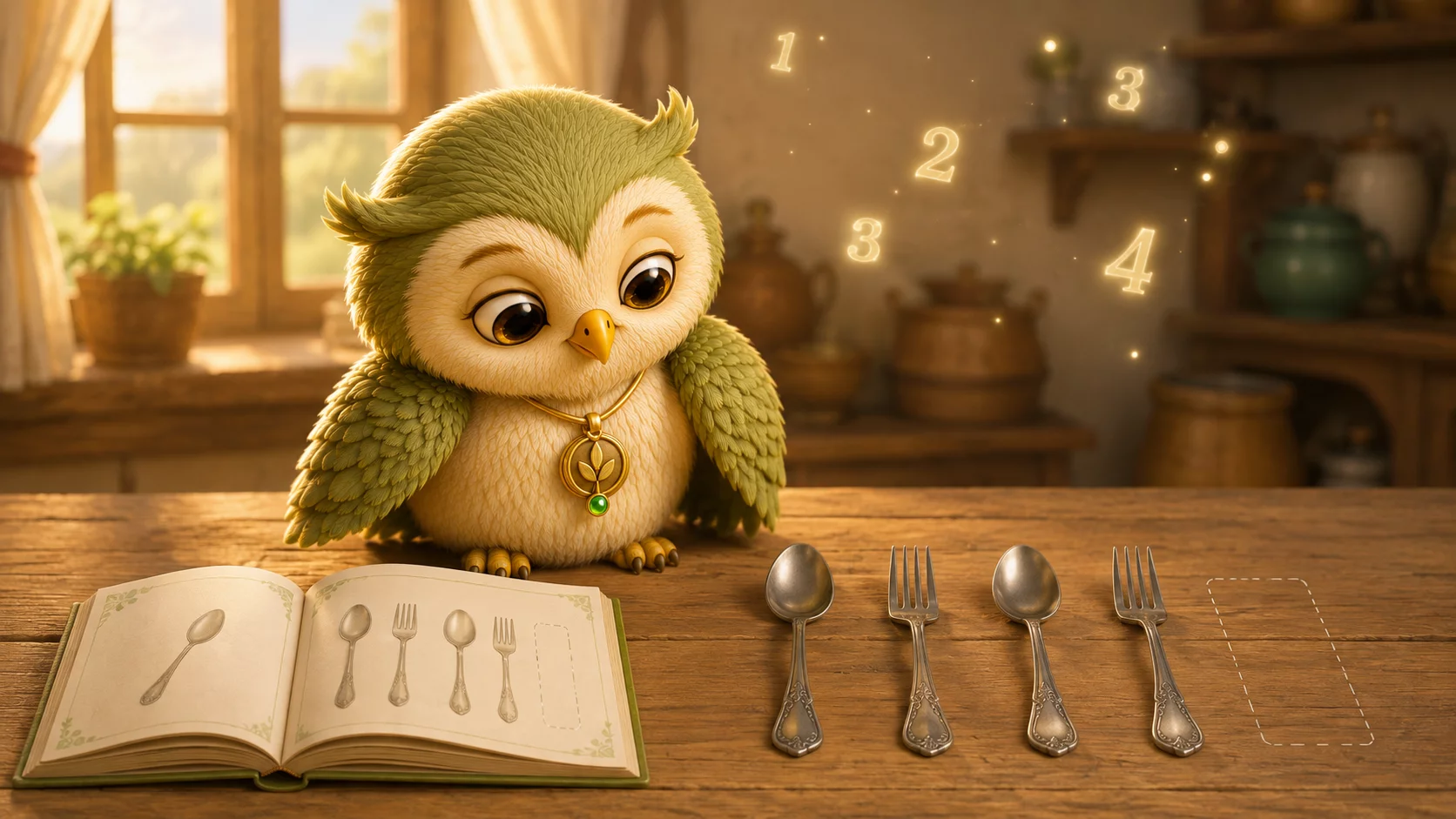
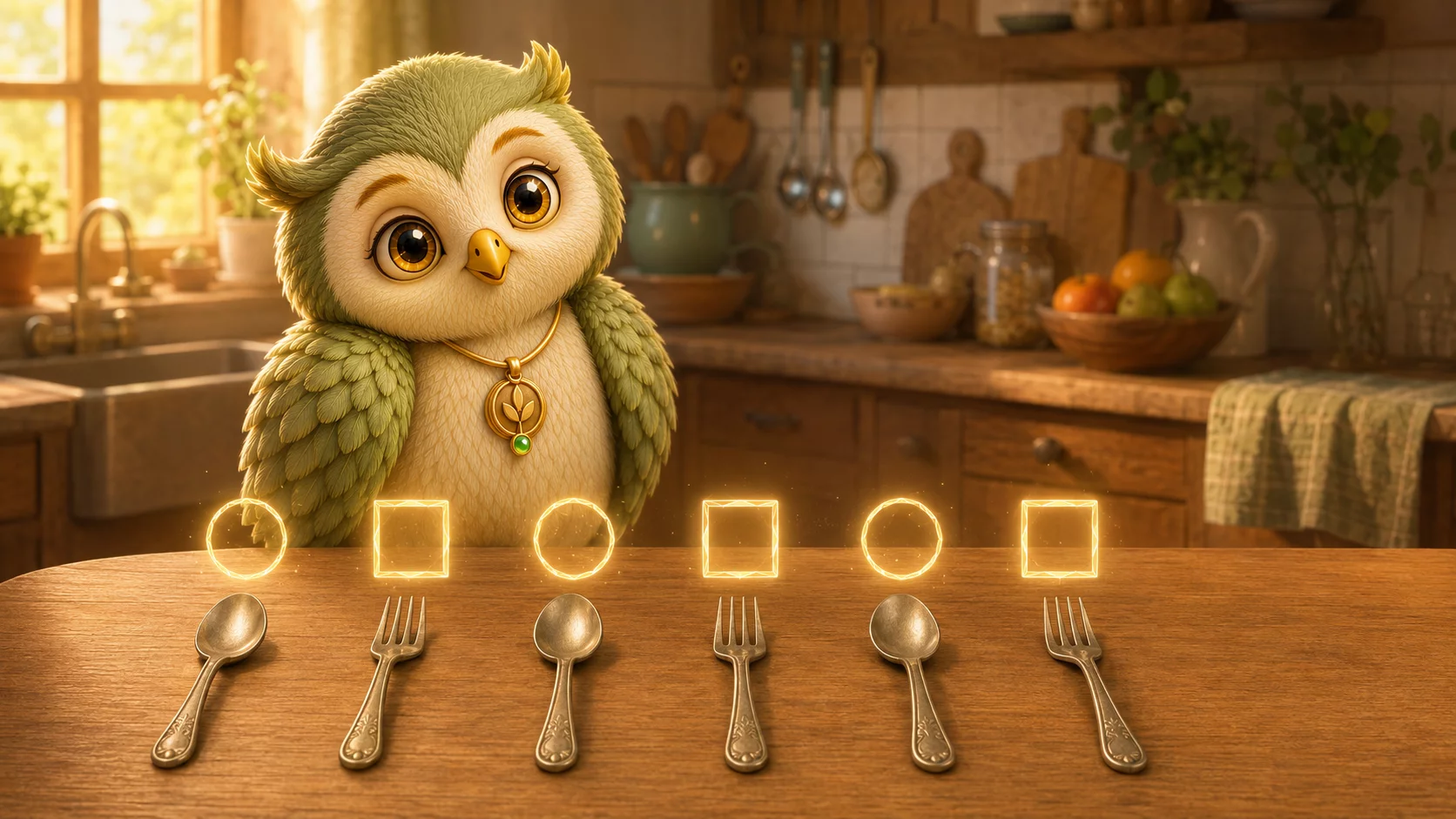
Most of us support math at home by counting. That’s how we were taught, and it isn’t wrong. But there’s a second question that builds math thinking just as much, and it takes five minutes with whatever is already on your table: what comes next? Here’s the version that works when everyone’s tired. What do … Read more
If your child is starting to write letters, there’s a free program from the University of Iowa that beats most worksheet sites. It’s called the Handwriting Hub, it’s run by the Iowa Reading Research Center, and it costs nothing. The part worth stealing isn’t the worksheets. It’s the four-step routine inside, which works the same … Read more
Most number workbooks start with 1, then 2, then 3, in counting order. Our pages start with 1, 4 and 7, and they don’t let a child write a digit until they can count that many things. Those two rules sound fussy until you watch a 3-year-old try to write a 5 the week after … Read more
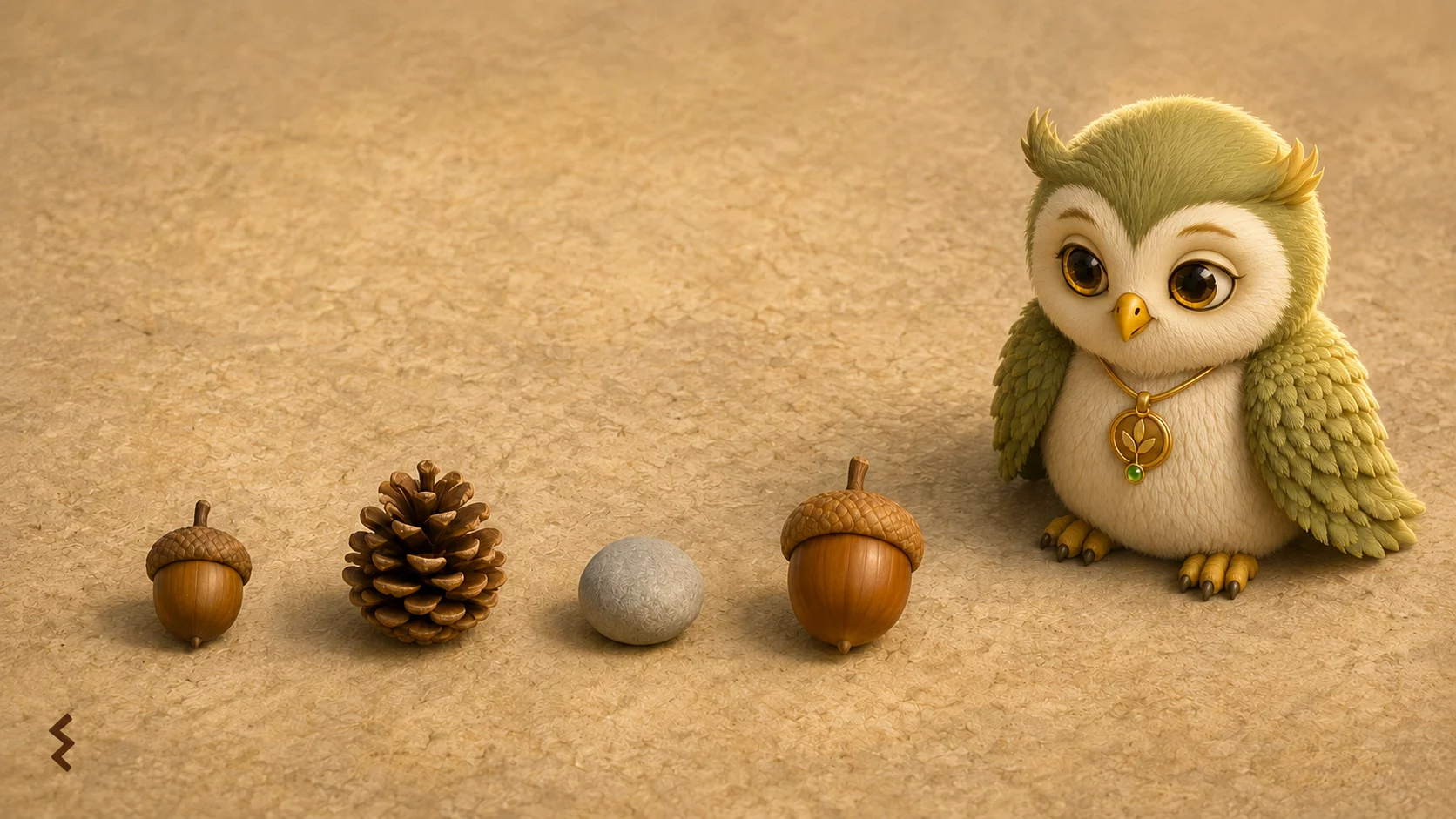
Put four things on the table. A spoon, a fork, a crayon and a second spoon that’s bigger than the first. Ask your child which one doesn’t belong. Then, whatever she picks, ask why. That’s the entire game. It takes two minutes, needs nothing you don’t already own, and it’s the closest thing I know … Read more
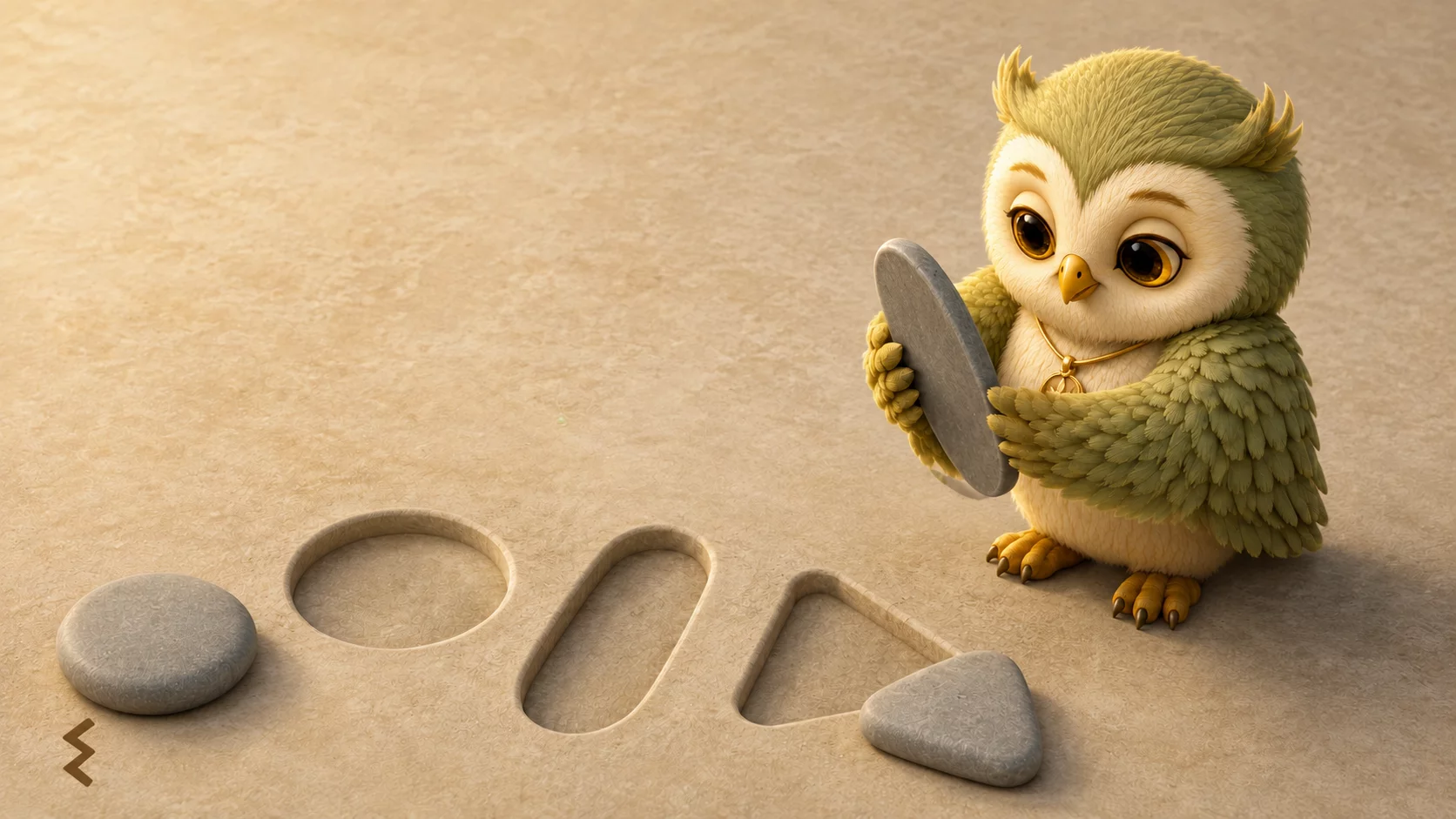
She’s been trying to get the same block into the same hole for a full minute. She turns it, tries, turns it again, and finally it drops through. Nothing about that looks like math. There’s no number in it anywhere. It’s still one of the most mathematical things she’ll do all day. What turning a … Read more
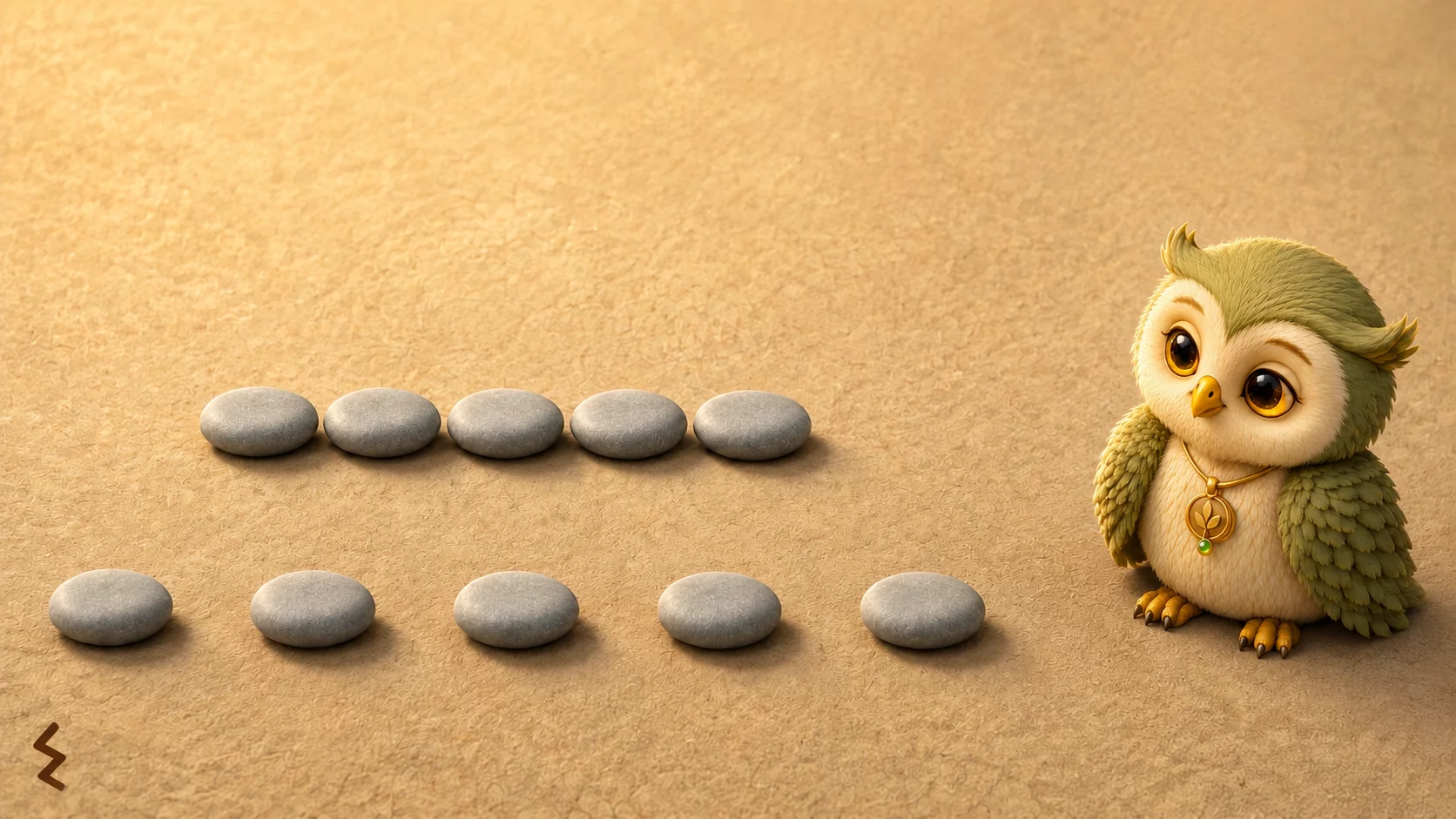
Put six buttons in two rows. Same number in each. Ask which row has more and your child says they’re the same. Now slide one row apart so it stretches wider, without adding anything. Ask again. There’s a good chance she’ll point at the longer row and tell you, with total confidence, that it has … Read more
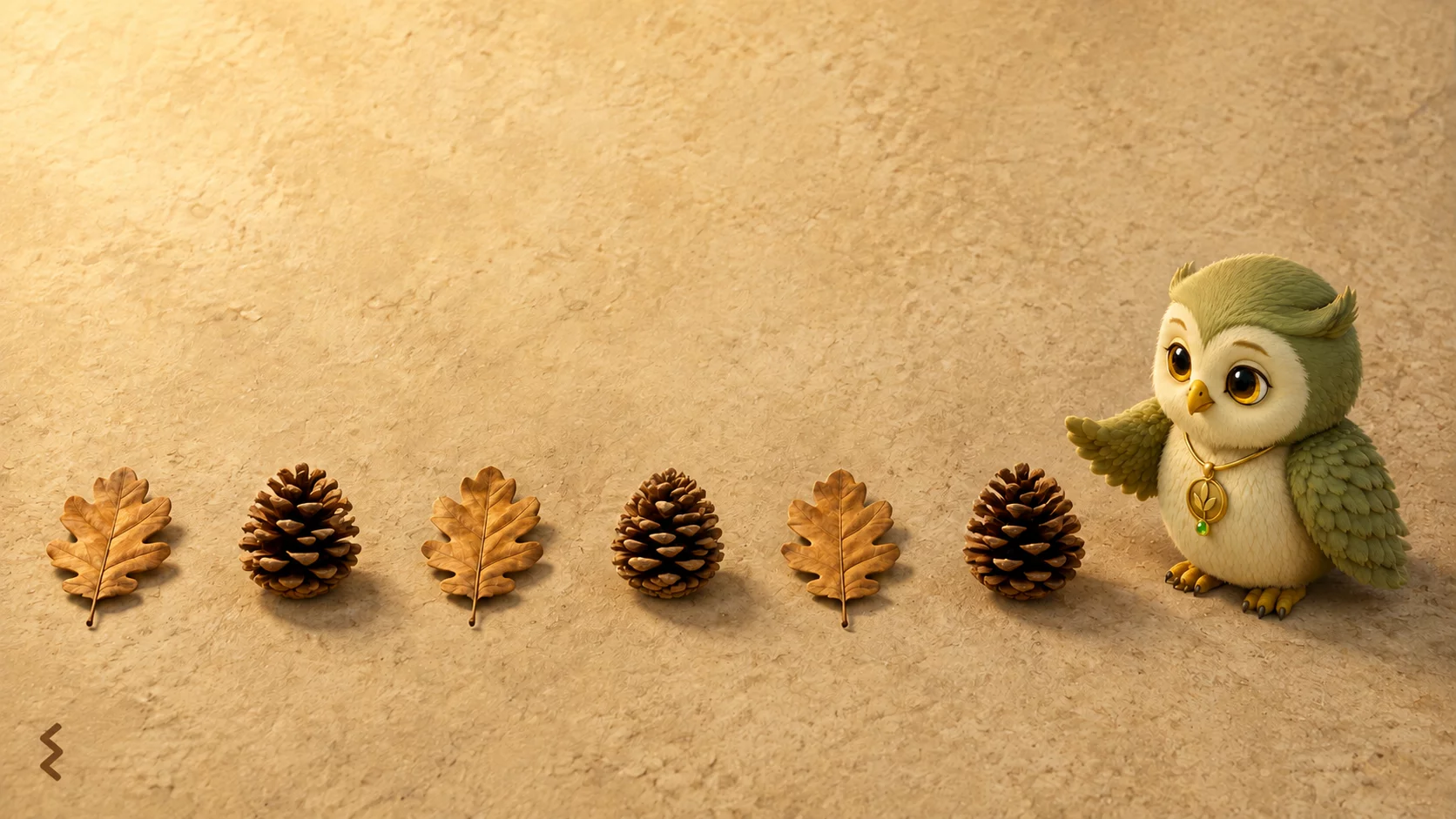
Your child lines up the cars by color. Blue, red, blue, red, all the way across the rug, and then gets annoyed when you move one. Most of us file that under tidying, or under a quirk. It’s math, and it’s one of the few kinds of math a three-year-old can do properly, on her … Read more
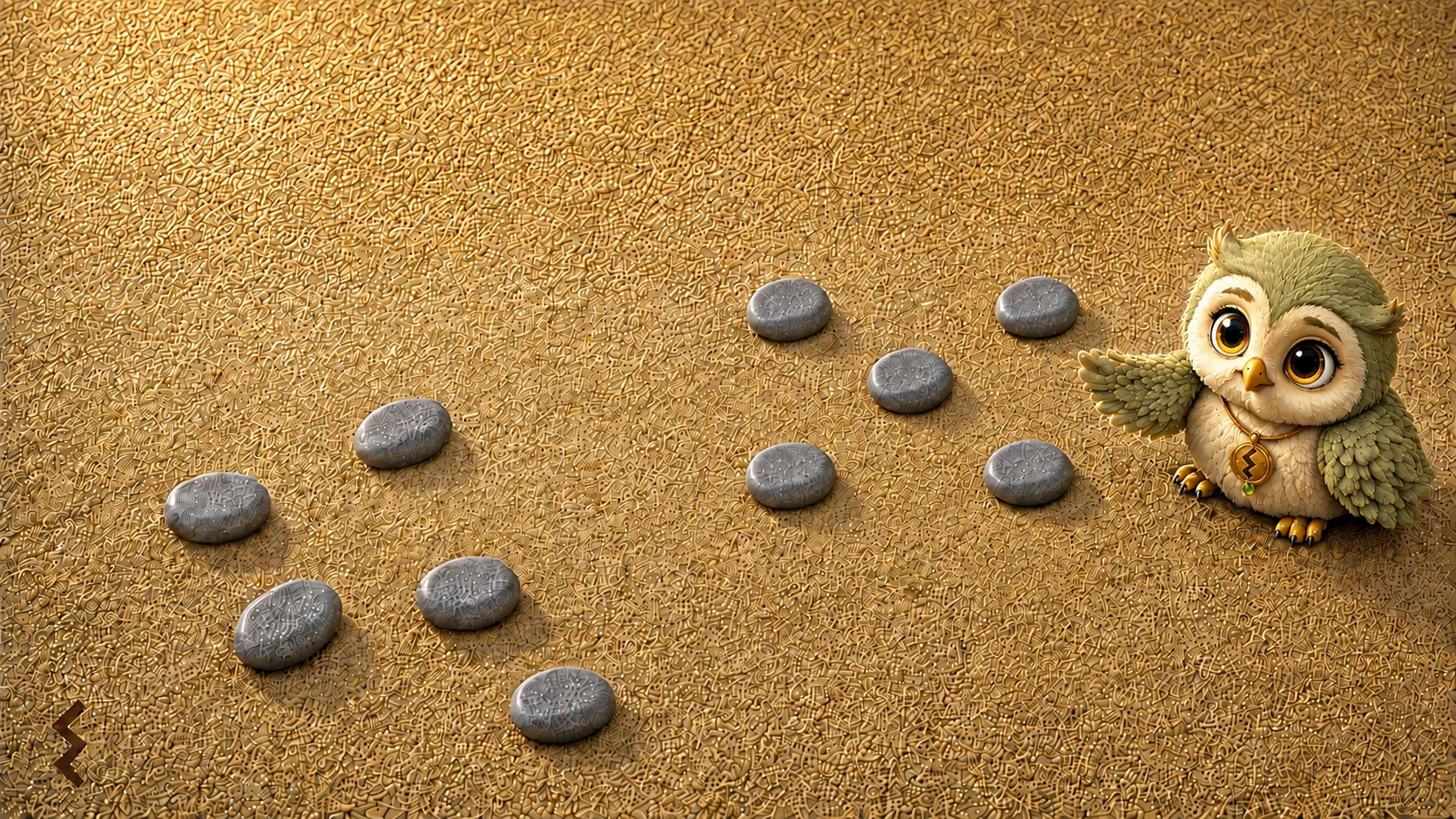
She can count to ten. You put three carrots on the plate, ask how many, and she says fourteen. If you’ve watched that happen, you’ve already seen the gap this article is about. It isn’t a problem with counting, and it isn’t a sign that anything went wrong. It’s a second skill sitting right next … Read more